Eco friendly cleaning in Kentish Town recycling guide
If you live or work in NW5, keeping things clean without creating a pile of waste can feel harder than it should. Bottles, cloths, packaging, broken spray triggers, dusty leftovers from a deep clean... it all adds up quickly. That is where an Eco friendly cleaning in Kentish Town recycling guide becomes genuinely useful. It is not just about using greener products. It is about cleaning smarter, sorting waste properly, and making everyday routines less wasteful in the first place.
In Kentish Town, where flats are compact, storage is tight, and rubbish areas can be shared or limited, the recycling side matters just as much as the cleaning itself. This guide walks you through what eco-friendly cleaning really looks like, how recycling fits into it, and the practical steps that make a noticeable difference. No fluff. Just a grounded, local approach that makes life a bit easier.
Table of Contents
- Why Eco friendly cleaning in Kentish Town recycling guide Matters
- How Eco friendly cleaning in Kentish Town recycling guide Works
- Key Benefits and Practical Advantages
- Who This Is For and When It Makes Sense
- Step-by-Step Guidance
- Expert Tips for Better Results
- Common Mistakes to Avoid
- Tools, Resources and Recommendations
- Law, Compliance, Standards, or Best Practice
- Options, Methods, or Comparison Table
- Case Study or Real-World Example
- Practical Checklist
- Conclusion
- Frequently Asked Questions
Why Eco friendly cleaning in Kentish Town recycling guide Matters
Eco cleaning and recycling are often discussed separately, but in real life they are linked. If you switch to greener products yet still throw away half-used plastic bottles, disposable wipes, and contaminated packaging, the overall impact is limited. On the other hand, if you recycle carefully but keep using harsh products in excess, you have only solved part of the problem.
That is why a practical eco friendly cleaning in Kentish Town recycling guide matters. It brings the two habits together. You reduce the waste created by cleaning, and you make it easier to sort what is left. Simple idea, yes. But it changes the rhythm of a household or workplace.
Kentish Town also has the usual London pressures: busy bins, shared collection spaces, small kitchens, and people who are often in and out. You may not have the luxury of storing lots of sorting containers. So the best system is not the fanciest one. It is the one you will actually keep using on a rainy Tuesday evening when the sink is full and someone has left a packet of wipes on the counter. Happens all the time, to be fair.
There is also a trust angle. Many people want a cleaner home or workplace, but they also care about whether their cleaning habits align with their values. This guide helps bridge that gap without making the process feel preachy or complicated.
How Eco friendly cleaning in Kentish Town recycling guide Works
The approach is straightforward: use fewer single-use items, choose products that are easier to dispose of responsibly, and separate the waste created during cleaning into the right streams. In practical terms, that means paying attention to three things:
- What you clean with - reusable cloths, refillable bottles, microfibre, and concentrated products often reduce packaging waste.
- What you throw away - wipes, empty containers, paper towels, and broken cleaning tools should not all go in one bag if they can be separated.
- How you clean - a good routine uses the right amount of product, the right tool, and the right order, so you do not generate avoidable mess.
That last part matters more than people think. If you use too much product, you often create extra residue and rinse water. If you use the wrong cloth, you may need more paper towels. If you buy cleaners in tiny bottles because they seem convenient, you end up with more packaging per clean. Little things. But they stack up.
In our experience, the cleanest systems are the simplest ones. A spray bottle you refill, a caddy with clearly separated cloths, and one recycling bin that is easy to reach. Nothing dramatic. Just tidy, repeatable, sensible.
Key Benefits and Practical Advantages
There are several clear advantages to combining eco-friendly cleaning with better recycling habits. Some are environmental, some are practical, and some save you time.
Less waste at the source
Reusable cloths, washable mop heads, and refill products cut the amount of rubbish created in the first place. That means fewer plastic wrappers, fewer disposable wipes, and fewer small bits of packaging cluttering the kitchen bin.
Cleaner storage and less clutter
People often forget that cleaning systems take up space. Compact homes in Kentish Town do not benefit from a cupboard full of half-used products. A smaller, better-organised set of tools is easier to manage and less likely to become a mess of its own.
Better recycling habits
When you start thinking about waste as part of cleaning, you naturally pay more attention to what belongs in recycling and what does not. That can reduce contamination, which is one of the main problems in household recycling. A greasy pizza box, a half-empty detergent tub, a used wipe, a loose cap... it is easy to get it wrong if you are rushing.
Gentler indoor environment
Many people prefer eco-friendlier products because they tend to be less harsh in smell and feel. That does not mean every green-labelled product is perfect. But in the right setup, you often get a fresher, less chemical-heavy clean. Especially useful if you are cleaning while the windows are open and the room is already humid.
More consistent routines
Once you build a simple system, the whole process gets easier. You know where waste goes, what gets reused, and when to replace supplies. Fewer decisions. Less faff. That alone can make the habit stick.
Expert summary: The best eco-friendly cleaning routine is not the one with the most products. It is the one that creates the least waste, uses the fewest resources, and still keeps the space properly clean.
Who This Is For and When It Makes Sense
This guide is useful for quite a few people, and not just environmentally minded homeowners. If you recognise any of the situations below, it probably makes sense to tighten up your cleaning and recycling routine.
- Flat owners and tenants who want a cleaner home without filling the bin every other day.
- Busy families trying to keep the kitchen and bathroom manageable while avoiding unnecessary waste.
- Landlords and letting agents who want a property to look clean, smell clean, and be easier to maintain between occupiers.
- Small businesses in Kentish Town, especially offices, cafes, studios, and shared spaces where cleaning waste builds up quickly.
- Anyone doing a deep clean before a move, after builders, or after a busy event.
It makes particular sense if you have noticed that your cleaning cupboard is full of things you rarely use. Or if your recycling bin is constantly contaminated because wipes, sachets, and food residue are getting mixed together. That is a sign the system needs a reset.
Truth be told, you do not need a perfect eco routine. You just need one that suits your space and your pace. Small changes are enough to matter.
Step-by-Step Guidance
Here is a practical way to build an eco-friendly cleaning and recycling routine without overcomplicating it.
1. Audit what you already use
Start by opening the cupboard and taking stock. What do you actually use each week? What has expired, dried out, or become redundant? If you have four sprays doing similar jobs, you probably have room to simplify.
Group items into three piles:
- Keep - reusable, effective, and not overly wasteful.
- Replace - items you use, but that could be swapped for a better alternative.
- Discard responsibly - broken tools, empty containers, and anything too contaminated to reuse.
2. Separate reusable from single-use items
Reusable cloths, mop pads, and washable dusters should be your first line of defence. Reserve paper towels and wipes for situations where hygiene or mess really calls for them. You do not need to ban them entirely. Just use them with intent, not by default.
3. Check packaging before you buy
Where possible, choose products with simpler packaging. Concentrates, refill bottles, and larger containers can reduce waste. If a product comes in complicated mixed-material packaging, ask yourself whether you really need it. The shiny bottle is not doing the work. The formula is.
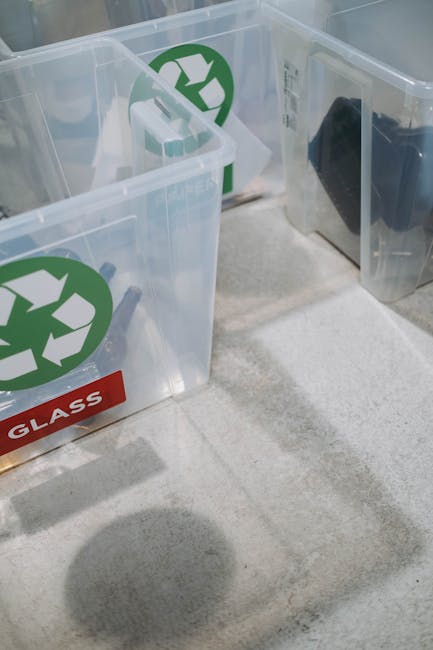
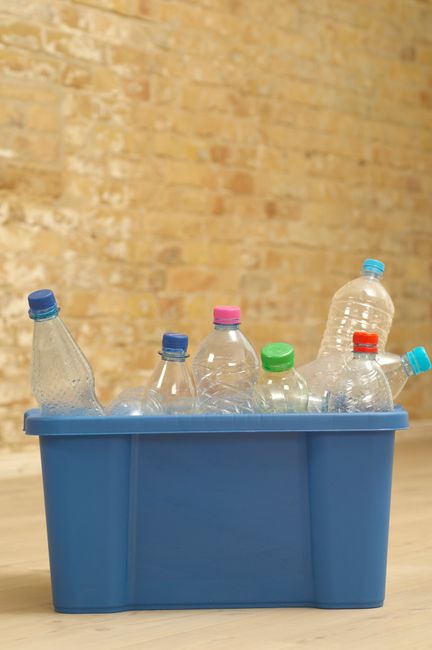
4. Set up a small recycling station
This is especially useful in a flat. Keep one container for clean recyclables, one for general waste, and, if you have the space, a small bag or tub for items that need special disposal later. A labelled system prevents that awkward moment when someone tosses everything into one bin because they were "just being quick".
5. Clean in the right order
Start from the top and work down. Dust, then wipe. Dry mess first, wet mess second. This avoids unnecessary rework and means you do not keep using fresh cloths for the same surface.
6. Rinse and sort waste properly
Empty bottles, tubs, and containers before recycling them. If a container is heavily contaminated with product residue, it may need a rinse or a different disposal route depending on the material. Do not force it. If in doubt, keep the decision simple and avoid contaminating the whole recycling load.
7. Review what is building up
Every few weeks, look at what gets used up fastest. If disposable cloths are vanishing too quickly, switch to more reusables. If you are constantly buying new sprays, move toward refill solutions. The aim is steady improvement, not perfection.
Expert Tips for Better Results
A few small adjustments can make the whole system noticeably better. These are the sorts of things people often miss at first.
- Use fewer products, not more. A versatile cleaner and a good disinfectant, used correctly, will usually cover more ground than a cupboard full of specialist bottles.
- Label your cloths. Keep different cloths for kitchens, bathrooms, and general dusting. It avoids cross-use and helps the routine feel organised.
- Keep recycling dry. Wet cardboard, greasy paper, and half-rinsed containers can ruin an otherwise good recycling load.
- Store refills together. If refills are hidden in the back of a cupboard, you will forget them and buy new bottles. Then the savings vanish.
- Clean at the point of mess. A quick wipe-up straight after a spill often uses less product and less waste than dealing with a dried-on stain later.
- Think in systems, not products. One good routine beats five good intentions.
One practical observation from day-to-day cleaning: the tidier your tools are, the less waste you create. If a cloth is easy to grab and a bin is easy to reach, you will make the better choice without thinking too hard. Which is exactly the point.
And yes, sometimes eco-friendly cleaning sounds a bit worthy. But once you get used to it, it is just a normal, cleaner way of living. A little less drama. A little less clutter. Better all round.
Common Mistakes to Avoid
Even well-meaning people make the same mistakes again and again. The good news is that most of them are easy to fix.
Mixing everything into one bin
This is the biggest one. If wipes, food residue, clean cardboard, and empty bottles all go together, recycling gets contaminated fast. Sort at source if you can. It saves time later.
Using eco labels without checking the basics
Not every product marketed as green is actually helpful in practice. Some still come in heavy packaging or need more product per clean. The label is not the whole story.
Overusing cleaning liquid
More product does not automatically mean better results. In fact, residue can attract dust or leave surfaces sticky. Use the amount recommended, then adjust if needed.
Keeping too many nearly empty bottles
Those "I'll finish it later" bottles create clutter and confusion. Decanting, refilling, or disposing properly is usually the cleaner answer.
Ignoring contaminated materials
Greasy packaging, heavily soiled paper, or items with too much residue can spoil recycling loads. If something is too dirty to recycle cleanly, do not guess. Put it where it belongs, even if it feels slightly annoying.
Forgetting shared spaces
In flats with communal bins or shared storage, your system needs to be simple enough for other people to follow. Fancy habits fail quickly if nobody else understands them.
Tools, Resources and Recommendations
You do not need a huge kit to do this well. A few good basics will take you a long way.
| Tool or item | Why it helps | Best use case |
|---|---|---|
| Microfibre cloths | Reusable, absorbent, and effective for dusting and wiping | General cleaning, kitchens, skirting boards, surfaces |
| Refillable spray bottles | Reduces packaging and keeps products easy to label | Daily cleaning routines and multi-surface use |
| Small recycling caddy | Makes sorting easier in compact spaces | Flats, shared kitchens, utility areas |
| Washable mop pads | Cut down on single-use replacements | Floors, hallways, and hard surfaces |
| Scrub brush with replaceable head | Extends tool life and reduces waste | Bathroom and kitchen deep cleans |
| Label maker or waterproof labels | Keeps sorting clear for everyone in the home or office | Shared spaces and multi-person households |
If you want to explore broader service options that fit into a lower-waste routine, it can help to look at recycling and sustainability information alongside the cleaning service you actually need. For example, a regular upkeep plan may work better for some homes than occasional big clears, and a more structured approach can reduce waste over time.
You can also match the cleaning method to the job. A lighter-maintenance home may benefit from regular cleaning, while a one-off reset may be more suitable if the space has got away from you a bit. For larger jobs, a deep cleaning approach can reduce the amount of repeat work and unnecessary product use later.
If you are comparing services or planning a bigger refresh, it also helps to understand how pricing is presented. The page on pricing and quotes is useful for getting a sense of what to ask before booking. Nothing glamorous, but very practical.
Law, Compliance, Standards, or Best Practice
For most households, the main concern is not legal complexity; it is using sensible waste habits and following local collection rules correctly. In a workplace, though, expectations are a little stricter. Businesses generally need to be more careful about separating waste, storing it safely, and making sure cleaning materials are handled appropriately.
It is worth noting that cleaning materials, packaging, and waste streams should be managed in line with the guidance that applies to your property type and waste arrangements. If you are in a commercial setting, this includes being thoughtful about whether products are stored safely, whether containers are disposed of properly, and whether your waste contractor or building rules require particular separation.
Best practice is simple: do not overcomplicate the disposal process, but do not treat every waste item the same either. Wipes, aerosols, contaminated cloths, and general recyclables all behave differently. That is where many avoidable problems happen.
If you want more context around local expectations and how waste habits can affect cleaning work in the area, the article on Camden council waste rules for Kentish Town cleaners is a helpful read. It is not about memorising rules for the sake of it. It is about avoiding common waste mistakes that create hassle later.
For businesses, it is also sensible to review general health and safety policy details and, where relevant, insurance and safety information. A responsible cleaning routine is one that is safe as well as efficient.
Options, Methods, or Comparison Table
There are a few different ways to approach eco-friendly cleaning in Kentish Town. Which one fits best depends on your space, habits, and tolerance for upkeep. Here is a simple comparison.
| Method | Best for | Pros | Watch-outs |
|---|---|---|---|
| DIY eco routine | Small homes, flexible schedules, budget-conscious users | Low cost, full control, easy to tailor | Requires consistency and a bit of planning |
| Scheduled regular cleaning | Busy households, professionals, shared homes | Prevents waste build-up, keeps systems steady | Needs a routine and clear expectations |
| Deep clean then maintain | Homes that have fallen behind | Strong reset, easier to keep clean afterwards | More intensive at the start |
| Commercial cleaning plan | Offices, shops, cafes, and shared premises | Predictable, easier compliance, less waste drift | Requires coordination and clear waste separation |
If your priority is long-term ease, a regular schedule is often the smartest route. If you are starting from chaos, start with a reset first. No shame in that. Most people need one.
Case Study or Real-World Example
A small flat near Kentish Town station had the classic problem: a tiny kitchen, one recycling box, and a cupboard full of half-used bottles. The resident was cleaning often, but the waste kept mounting. Empty spray bottles were piling up, cloths were being used once and thrown away, and recycling was getting mixed with general rubbish because the system was awkward.
The first change was simple. They reduced the number of products to a few multi-use basics, swapped disposable cloths for washable ones, and set up two clearly marked containers in the cupboard: one for recyclables waiting to be rinsed, one for general waste. The kitchen stopped feeling cluttered almost immediately. More importantly, the cleaning routine became easier to repeat.
A couple of weeks later, the resident noticed something small but meaningful: there was less waste after each clean, and the bin stopped filling so quickly. That is the kind of improvement people often miss at first because it is not flashy. But it matters. Especially in a compact home where every extra bag is another trip downstairs in the cold.
This is the real lesson: you do not need a perfect overhaul. You need a manageable one.
Practical Checklist
Use this checklist to tighten up your routine without overthinking it.
- Choose reusable cloths for everyday cleaning.
- Keep disposable items for genuinely necessary tasks only.
- Use refillable bottles where practical.
- Separate clean recyclables from general waste at source.
- Rinse containers before recycling if needed.
- Keep greasy or contaminated items out of recycling.
- Label bins or caddies clearly.
- Store cleaning products together so they are easy to manage.
- Review what you use most and replace wasteful habits first.
- Make sure shared households or workplaces know the system.
If you can tick most of those off, you are already doing better than many people realise. A tidy routine wins more often than a perfect one.
Conclusion
An effective eco friendly cleaning in Kentish Town recycling guide is really about making ordinary habits work better. Cleaner surfaces, less waste, simpler disposal, fewer unnecessary products. That is the shape of it. And once the routine is in place, it stops feeling like extra effort. It just becomes the way you do things.
For Kentish Town homes and businesses, that means being realistic about space, recycling rules, and the kind of cleaning you actually need. You do not need a showroom-perfect setup. You need something practical, repeatable, and kind to both the property and the bin.
If you are ready to improve your cleaning routine or compare options for a more sustainable approach, now is a sensible moment to take the next step.
Get a free quote today and see how much you can save.
And if you start small, that is fine. Small steps stack up. That is usually how the best systems begin anyway.
Frequently Asked Questions
What does eco friendly cleaning in Kentish Town actually mean?
It usually means using lower-waste cleaning methods, choosing reusable tools where possible, reducing packaging, and recycling cleaning-related waste properly. In practice, it is about keeping the space clean without creating unnecessary rubbish.
Is eco-friendly cleaning less effective than traditional cleaning?
Not necessarily. If you use the right tools and the right amount of product, eco-friendly cleaning can be very effective. The key is matching the method to the mess instead of assuming stronger always means better.
What cleaning waste can usually be recycled?
Clean cardboard, some plastic bottles, and other uncontaminated packaging may be recyclable depending on local collection rules. Heavily soiled items, wipes, and mixed-material waste often are not. When in doubt, keep contamination out.
Should I rinse empty cleaning bottles before recycling them?
If a bottle still has product residue, a light rinse may help, provided it is appropriate for the material and local recycling guidance. The main aim is to avoid contaminating the recycling load with leftover liquid or heavy residue.
Are reusable cloths really better than wipes?
For most routine cleaning, yes. Reusable cloths reduce waste and can be washed for repeated use. Wipes are still useful for certain situations, but relying on them for everything usually creates more rubbish than necessary.
How do I reduce waste in a small flat?
Keep the system simple. Use one compact recycling container, buy fewer but more versatile products, and choose reusable cloths and mop pads. In small spaces, tidy storage makes a big difference.
What is the best way to handle cleaning products I no longer use?
Check whether the items are still usable, and if not, dispose of them according to the guidance for that product and container type. Do not pour unknown leftovers into drains or mix chemicals together. That gets messy fast.
Can businesses in Kentish Town use the same approach as homes?
The basic ideas are the same, but businesses usually need a more structured system. Shared spaces, safety considerations, and waste separation often require clearer procedures than a typical household setup.
How often should I review my cleaning and recycling routine?
Every few weeks is a good starting point. If waste is building up quickly or recycling is getting contaminated, adjust sooner. A short review now and then saves time later.
Does eco-friendly cleaning cost more?
Not always. Some products cost more upfront, but reusable tools and concentrated refills can lower long-term spend. The real cost depends on what you already use and how much of it gets thrown away.
What should I do if my recycling bin keeps getting mixed up?
Simplify the system. Label the bins, reduce the number of waste streams you are trying to manage, and place the recycling where people naturally use it. If the bin is awkward to reach, people will take shortcuts.
Where can I learn more about cleaning services and sustainable practices?
You can start with the site's pages on sustainability, service options, and helpful local guidance. A useful place to begin is the recycling and sustainability page, especially if you want a cleaner routine that fits into a broader long-term plan.