Oven Cleaning in the Modern Home: Practical Tips, Safe Methods, and Long-Lasting Results
Oven cleaning is one of those household tasks that many people postpone until grease, smoke, and baked-on residue become impossible to ignore. Yet regular oven cleaning can make a major difference in how your kitchen looks, smells, and performs. A clean oven heats more evenly, reduces unpleasant odors, and helps food taste better. It also supports a more hygienic cooking space and can even extend the lifespan of the appliance. Whether you are dealing with light splatter, stubborn carbon buildup, or years of accumulated grime, the right oven cleaning approach can restore your appliance without unnecessary stress.
For homeowners, renters, landlords, and property managers, oven cleaning is both a practical chore and a smart maintenance habit. A well-maintained oven uses less energy, avoids smoke from burnt residue, and presents a more polished kitchen overall. Many people search for oven cleaning solutions because they want results that are effective, safe, and not overly time-consuming. The good news is that with the right technique, tools, and schedule, oven cleaning becomes much easier to manage.
In this article, we’ll explore how oven cleaning works, why it matters, when to do it, which methods are safest, and how to keep your appliance looking its best for longer. You’ll also learn about common mistakes to avoid, the benefits of professional oven cleaning, and practical habits that reduce buildup before it starts.
Why Oven Cleaning Matters for Every Kitchen

Oven cleaning is not just about appearance. A dirty oven can affect the way your appliance functions, the quality of your cooking, and the overall cleanliness of your kitchen. Grease, food spills, and carbonized residue can create smoke each time the oven is used, which may trigger alarms or leave a stale smell in the home. Over time, that buildup can become more difficult to remove, making oven cleaning even more important.
One of the biggest reasons people invest time in oven cleaning is heat efficiency. When residue coats the interior, the oven may not distribute heat as evenly. That can lead to uneven baking, longer cooking times, and inconsistent results. If you enjoy roasting, baking, or broiling regularly, keeping the interior clean helps food cook more predictably.
There is also a hygiene factor. Old grease and food particles can attract pests, create unpleasant odors, and make the kitchen feel less sanitary. Regular oven cleaning reduces these issues and helps maintain a more pleasant cooking environment. A clean oven is a healthier, safer, and more efficient oven.
How Often Should Oven Cleaning Be Done?

The right oven cleaning schedule depends on how frequently you cook and what types of meals you prepare. If you use your oven daily or often cook dishes that splatter, such as roasts, casseroles, or cheesy bakes, more frequent oven cleaning will be necessary. For lighter use, cleaning may be needed less often, but a regular schedule still helps prevent buildup.
A practical rule is to wipe up minor spills as soon as the oven cools, then perform a deeper oven cleaning every few months. For heavy-use kitchens, monthly attention may be more appropriate. The key is not to wait until residue becomes carbonized and difficult to remove. Preventive oven cleaning usually takes far less effort than restoring a neglected appliance.
Signs that it’s time for oven cleaning include visible grease on the glass door, a smoky smell during preheating, dark stains on the interior walls, and food residue that does not come off with a damp cloth. If you notice any of these, it’s best to act sooner rather than later.
Preparing for Oven Cleaning the Right Way
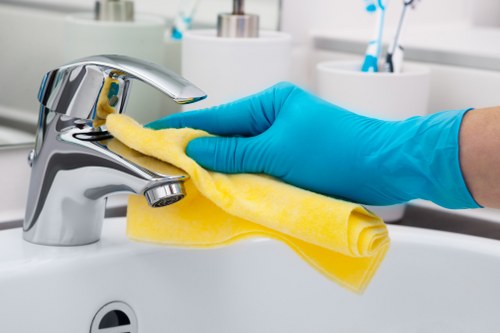
Before starting oven cleaning, preparation makes the task safer and more efficient. Begin by switching off the oven and allowing it to cool completely. Remove racks, trays, thermometers, and any loose accessories. This gives you full access to the interior and prevents accidental damage to removable parts.
Next, gather your supplies. Depending on the method you choose, you may need gloves, microfiber cloths, a soft sponge, a non-scratch scraper, baking soda, vinegar, warm water, dish soap, and a bucket or bowl. If you prefer a commercial oven cleaning product, always check the label and make sure it’s suitable for your appliance type.
Ventilation is also important during oven cleaning. Open nearby windows or turn on an extractor fan if possible. Good airflow helps reduce exposure to fumes, especially when using stronger oven cleaning solutions. Preparation is a simple step that can significantly improve both safety and results.
Safe and Effective Oven Cleaning Methods
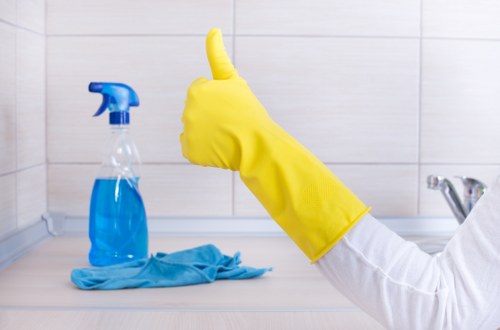
There is no single best method for oven cleaning because the right choice depends on the level of grime, the oven type, and your comfort with cleaning products. Some people prefer natural solutions, while others want stronger degreasers for stubborn stains. The following methods are commonly used and can be effective when applied correctly.
1. Baking Soda Paste
A baking soda paste is one of the most popular approaches to oven cleaning. Mix baking soda with water until it forms a thick spreadable paste. Apply it to the oven interior, avoiding heating elements and sensitive components. Let it sit for several hours or overnight so it can loosen grease and residue. Then wipe away the dried paste with a damp cloth and follow with a vinegar solution if needed.
2. Vinegar and Warm Water
Vinegar is often used as a finishing step in oven cleaning because it helps break down leftover baking soda and removes light residue. Spray or wipe the interior with a mixture of vinegar and warm water after the paste has been removed. This can leave the oven looking cleaner and smelling fresher.
3. Commercial Oven Cleaner
For heavy buildup, a commercial oven cleaning product may be more effective. These products are designed to dissolve baked-on grease and can save time on neglected ovens. However, they must be used carefully. Follow the manufacturer’s instructions exactly, wear protective gloves, and ensure proper ventilation. Never mix cleaning chemicals.
4. Steam Cleaning
Some ovens include a steam-clean function that uses moisture and heat to loosen soil. This option is useful for light-to-moderate grime and is often favored for convenience. While steam cleaning may not replace manual oven cleaning entirely, it can soften residue and reduce scrubbing time.
Step-by-Step Oven Cleaning Process

A structured method makes oven cleaning less overwhelming. If you want a clear approach, start with the basics and work methodically from top to bottom. This helps avoid missed spots and ensures that loosened debris is fully removed.
Remove Loose Debris
Use a dry cloth or handheld vacuum to remove crumbs, ash, and loose particles from the bottom of the oven. This step prevents debris from turning into a muddy mess once cleaning solutions are applied.
Apply Your Chosen Cleaner
Spread your cleaner evenly across the interior surfaces. For a baking soda paste, focus on greasy corners and stained areas. For a commercial formula, apply only as directed. Be careful around fan covers, heating elements, seals, and sensors.
Allow Time for the Cleaner to Work
Oven cleaning products need time to break down grime. Rushing this stage often leads to excessive scrubbing. Let the cleaner sit long enough to soften buildup, especially on the floor, door, and side walls.
Wipe and Scrub Gently
Use a damp microfiber cloth or soft sponge to remove the loosened residue. For stubborn patches, a non-scratch scraper can help, but avoid anything abrasive that may damage the finish. Repeat until the surfaces feel clean and smooth.
Clean the Oven Door
The oven door often collects grease and fingerprints, especially on the glass. Carefully clean both the inside and outside using a suitable cleaner. Pay special attention to the corners and edges where grime tends to gather.
Replace and Clean Racks
Soak the oven racks in warm soapy water or a suitable degreaser, then scrub and rinse them thoroughly. Once dry, return them to the oven. Clean racks improve both appearance and function, completing the oven cleaning process.
Consistency matters: when you follow a step-by-step routine, oven cleaning becomes more manageable and much less tiring.
Common Mistakes to Avoid During Oven Cleaning
Using Abrasive Tools
Steel wool, harsh scouring pads, and rough scrapers can scratch the oven’s interior surface, glass door, or enamel coating. Those scratches can make future oven cleaning more difficult by giving grime more places to cling.
Applying Too Much Cleaner
More product does not always mean better results. Excess cleaner can leave behind residue, cause odors, or take longer to remove. A careful application is usually more effective than overloading the surface.
Ignoring Safety Instructions
Some cleaners require gloves, ventilation, and specific contact times. Skipping these instructions can lead to poor results or unnecessary risk. Always read labels before beginning oven cleaning.
Cleaning a Warm Oven
It may seem efficient to clean a slightly warm oven, but this can be unsafe and less effective. Heat can make fumes stronger and may cause the cleaner to dry too quickly before it has time to work.
Forgetting Hidden Areas
Many people focus only on visible surfaces, but oven cleaning should also include door seals, corners, racks, and the area around the hinges. Hidden buildup can continue to produce smoke and odor even if the main surfaces look clean.
By avoiding these mistakes, you’ll protect your appliance and get better long-term results from every oven cleaning session.
Natural vs. Chemical Oven Cleaning: Which Is Better?
This is one of the most common questions people ask when planning oven cleaning. The answer depends on your priorities. Natural methods like baking soda and vinegar are often gentler, budget-friendly, and appealing to households that want to reduce exposure to strong chemicals. They are especially useful for regular maintenance and moderate grime.
Chemical cleaners, on the other hand, are often more powerful and may be better suited to heavy buildup or infrequent oven cleaning. They can cut through tough grease faster, which is helpful when time matters. However, they require careful handling and thorough ventilation. The best method is the one that matches your oven’s condition and your comfort level.
For many households, a hybrid approach works well: use natural oven cleaning for routine upkeep and a stronger product only when deep cleaning is necessary. That balance can keep the appliance in excellent condition without making the process overly harsh or complicated.
Professional Oven Cleaning: When It Makes Sense
Sometimes oven cleaning is more practical when handled by a professional. If the oven is heavily soiled, has years of residue, or has not been cleaned in a long time, a trained cleaner may achieve better results with less effort from you. Professional oven cleaning is also helpful for busy households, end-of-tenancy situations, and property turnovers.
A professional service typically uses specialized tools and solutions to remove stubborn carbon deposits, grease, and stains. They can also clean removable components, inspect problem areas, and restore the appliance to a more presentable state. For people who are short on time or dealing with difficult buildup, this can be a worthwhile option.
Another advantage of professional oven cleaning is consistency. The process is usually thorough, efficient, and designed to leave the oven ready for use once it is properly dried and reassembled. If you’re considering outsourcing the work, book your service now and save yourself the hassle of a long scrubbing session.
How Oven Cleaning Improves Cooking Results
Clean appliances often perform better, and ovens are no exception. Oven cleaning can contribute to more even heating, reduced smoke, and improved flavor. When old residue burns during cooking, it may affect the smell and taste of food. By keeping the interior clean, you reduce the chance of unwanted contamination from old grease or food particles.
It is also easier to monitor food when the glass door is clear. A dirty door can make it hard to check browning or doneness without opening the oven repeatedly, which can cause heat loss. Regular oven cleaning preserves visibility and helps keep cooking more efficient.
For anyone who bakes bread, pastry, pizza, or roasted dishes, these details matter. Even small improvements in heat flow and cleanliness can influence the final result. That is why oven cleaning should be seen as part of good kitchen maintenance rather than just a cosmetic task.
Maintenance Tips to Keep Your Oven Cleaner for Longer
Wipe Spills Quickly
Once the oven has cooled, wipe fresh spills before they harden. This small habit reduces the need for intensive oven cleaning later.
Use Trays and Liners Carefully
Place baking trays under dishes that may bubble over, but make sure liners are approved for oven use and do not block airflow.
Avoid Overfilling Dishes
Grease splatter is more likely when pans are filled too high. Leave enough space for bubbling, boiling, and expansion.
Check After Roasting
After cooking fatty meats or saucy dishes, inspect the interior for splatter. Early attention makes oven cleaning faster and simpler.
Schedule Light Deep Cleans
Instead of waiting for a major buildup, do smaller oven cleaning sessions more often. This keeps the appliance presentable and prevents stubborn residue from forming.
These habits not only reduce the frequency of heavy scrubbing but also support the long-term performance of the oven. Simple routine care can save hours of work later.
Oven Cleaning for Different Households and Lifestyles
Every household has different oven cleaning needs. Busy families may need more frequent upkeep because the oven is used often for weeknight meals, snacks, and batch cooking. In smaller homes or apartments, even occasional cooking can leave odors and residue that build up over time. Renters may want oven cleaning before moving out, while landlords and property managers may prioritize it between tenants.
For shared kitchens, the responsibility may be easier to manage when oven cleaning is scheduled and divided among users. In homes with avid bakers or frequent entertainers, the oven may need more attention because of repeated use. Meanwhile, occasional cooks may still benefit from setting a reminder every few months to inspect the interior.
No matter the setting, the best oven cleaning plan is one that fits the way the appliance is actually used. A realistic routine is more effective than an ambitious one that never gets done. If you can keep the oven clean with light maintenance, you will spend less time on major restoration later.
Final Thoughts on Oven Cleaning
Oven cleaning is one of the simplest ways to protect your appliance, improve your kitchen environment, and support better cooking results. Whether you choose a natural method, a commercial product, or a professional service, regular attention pays off. A clean oven runs more smoothly, smells fresher, and looks far better than one left to accumulate grease and burnt residue.
The best results come from combining routine upkeep with occasional deeper oven cleaning. By wiping spills promptly, checking for buildup, and using safe methods, you can make the task easier every time. That means less scrubbing, fewer odors, and a more efficient kitchen overall. Oven cleaning does not need to be stressful when it becomes part of your normal home care routine.
If your oven needs serious attention, don’t wait until the grime gets worse. Take action, refresh your appliance, and enjoy the difference a spotless cooking space can make. Contact us today or book your service now to get started with reliable oven cleaning that delivers lasting results.