Kentish Town upholstery cleaning before and after case study NW5
If you have ever looked at a tired sofa or an armchair in NW5 and thought, "Can this really be brought back?", you are not alone. This Kentish Town upholstery cleaning before and after case study NW5 explores what happens when fabric furniture is cleaned properly, what results are realistic, and how to tell whether a piece is worth restoring. It is part practical guide, part decision-making help, and part honest look at the sort of transformation that can make a room feel brighter without replacing the whole suite. Truth be told, that can be a relief for the wallet and the nerves.
Below, you will find a clear breakdown of the process, the benefits, common mistakes, and a real-world style case study showing how upholstery cleaning can change not just the look of a sofa, but the feel of an entire home. If you are comparing options, you may also want to explore upholstery cleaning, sofa cleaning, or the company's broader deep cleaning approach for homes that need a fuller reset.
Contents
- Why Kentish Town upholstery cleaning before and after case study NW5 matters
- How Kentish Town upholstery cleaning before and after case study NW5 works
- Key benefits and practical advantages
- Who this is for and when it makes sense
- Step-by-step guidance
- Expert tips for better results
- Common mistakes to avoid
- Tools, resources and recommendations
- Law, compliance, standards, or best practice
- Options, methods, or comparison table
- Case study or real-world example
- Practical checklist
- Conclusion
- Frequently asked questions
Why Kentish Town upholstery cleaning before and after case study NW5 Matters
People usually search for before-and-after upholstery cleaning for one simple reason: they want proof. Not marketing fluff, not vague promises, but evidence that a sofa can genuinely change. In Kentish Town, that matters because homes often mix older furniture, compact rooms, busy family life, and daily street-level dirt that finds its way indoors. A dark patch on an armrest can make the whole room feel neglected. A fresh clean can do the opposite, almost instantly.
There is also a practical side. Upholstery collects dust, skin flakes, crumbs, pet hair, body oils, and the occasional mystery mark that no one claims responsibility for. Over time, that build-up can dull the fabric and make a room feel less inviting. A proper clean does more than remove stains. It can revive colour, reduce stale odours, and help furniture last longer. And let's face it, replacing a good sofa because it looks grubby is a painful kind of waste.
Case-study style content matters because it shows the process in a way that ordinary service pages do not. You want to know what usually improves, what might stay visible, and which fabrics respond well. That context helps you judge whether to book a clean, try a light spot treatment, or plan for a full upholstery service.
Practical takeaway: The best before-and-after results are rarely about "making old furniture look new." More often, they are about restoring brightness, improving hygiene, and removing the stuff that makes furniture look tired.
How Kentish Town upholstery cleaning before and after case study NW5 Works
Upholstery cleaning is not a one-size-fits-all job. A professional cleaner will usually start by identifying the fabric type, the level of soiling, and any problem areas such as dye transfer, pet accidents, or drink marks. That first check matters. Velvet, cotton blend, microfibre, and synthetic fabrics all behave differently when moisture and cleaning solution are introduced.
The process often begins with dry soil removal. This means vacuuming the furniture carefully, including seams, creases, and the space where crumbs hide like they pay rent. After that comes spot testing. A small hidden area is checked to see how the fabric reacts. Only then does the cleaner move to the main clean, usually with controlled application of solution, gentle agitation, and extraction or wiping depending on the method used.
For many pieces, the transformation appears in stages. First, the fabric looks less flat. Then the colour begins to come back. Stubborn marks may fade rather than disappear completely, which is normal and worth saying clearly. Upholstery cleaning can improve appearance dramatically, but some staining has set for too long or changed the fabric fibres permanently. Honest expectations are better than miracle language.
After cleaning, drying is important. Good airflow helps, and the furniture should be left to dry properly before use. If a sofa feels only slightly damp, that is normal. If it feels saturated, something has gone wrong. A proper result should leave the upholstery fresh, not soggy.
If you are interested in the surrounding home rather than only the sofa itself, a service such as domestic cleaning or house cleaning can be a sensible companion to upholstery work, especially before guests arrive or after a long winter indoors.
Key Benefits and Practical Advantages
The obvious benefit is visual. A cleaned sofa can look noticeably brighter, with the fabric lifted back towards its original tone. But in practice the value is broader than that. A well-done upholstery clean can make a room feel tidier, lighter, and more cared for without changing the furniture itself. That is a big deal in smaller Kentish Town homes where every visible surface affects the feel of the space.
- Improved appearance: Stains, dull patches, and general greying often reduce significantly.
- Better hygiene: Dust and everyday build-up are reduced, which is especially useful in busy households.
- Odour removal: Food smells, pet smells, and old "closed room" odours can be reduced.
- Extended furniture life: Regular cleaning helps fabrics wear more evenly.
- Better value than replacement: If the frame and fabric are in good condition, cleaning often makes more sense than buying new.
- Room-wide uplift: One clean sofa can make the whole room look more finished.
There is also a mental benefit. A cleaner sofa changes how you use the space. People sit differently, relax more easily, and stop avoiding "that corner" of the room. Small thing? Maybe. But you notice it.
For landlords, tenants, and busy households, a clean sofa can also reduce friction during move-outs or periodic refreshes. If furniture is part of a rental property or managed home, it can sit neatly alongside end of tenancy cleaning or move out cleaning when everything needs to be presented properly.
Who This Is For and When It Makes Sense
This kind of cleaning makes sense for anyone who wants to restore upholstered furniture rather than replace it. In Kentish Town, that often includes families, renters, landlords, young professionals, and small businesses with waiting areas or meeting rooms. A fabric chair in a home office can age just as visibly as a living-room sofa, especially if it is used every day.
It is especially useful if you notice one or more of the following:
- visible stains that have not responded to household products
- greying or darkening on armrests, seat cushions, or headrests
- pet hair that keeps returning no matter how often you vacuum
- a stale smell that lingers even after airing the room
- a sofa that looks fine from a distance but tired up close
- furniture being prepared for guests, tenants, or a property sale
Some people wait until a sofa looks genuinely rough. That is understandable, but not always ideal. Earlier cleaning is usually easier because dirt has not had as long to settle into the fibres. If you are already thinking about a full home refresh, pairing upholstery work with one off cleaning can be a smart move when the whole place needs attention in one visit.
There are also cases where upholstery cleaning is the wrong first step. If the fabric is heavily damaged, split, or badly faded by sun, cleaning will not undo physical wear. That sounds obvious, but people do hope for a miracle sometimes. Fair enough. We all do when the sofa has sentimental value.
Step-by-Step Guidance
If you are planning a clean, it helps to know how the work should unfold. A good process is calm, methodical, and a bit unglamorous behind the scenes. That is usually a good sign.
- Inspect the fabric and condition. Identify material type, colourfastness concerns, and visible problem areas.
- Vacuum thoroughly. Loose dirt should be removed first so it does not turn into slurry during the wet clean.
- Test a hidden area. This checks how the fabric reacts to the chosen method and cleaning solution.
- Pre-treat stains. Spots such as food, drink, or body oils may need targeted treatment before the main clean.
- Clean section by section. A careful, controlled approach gives a more even result and reduces over-wetting.
- Extract or wipe residues. Removing soil and solution matters as much as applying it.
- Check for remaining marks. Some spots may need a second pass, but only if the fabric allows it.
- Dry properly. Good airflow, open windows if appropriate, and patience. Slightly boring. Very important.
One useful detail people miss: cleaning should work with the furniture's condition, not against it. If the cushions are removable, they may be treated separately. If the piece has delicate piping, buttons, or mixed materials, those details need a gentler touch. That is where experience shows. Not in dramatic gestures, but in avoiding small mistakes that leave a sofa looking patchy.
If the furniture is part of a broader property refresh, you might also consider carpet cleaning so the floor and seating match rather than one looking fresh while the other looks forgotten. It is a simple thing, yet it changes the feel of the room a lot.
Expert Tips for Better Results
A lot of upholstery outcomes come down to preparation and restraint. The biggest wins often happen before the machine or cloth even touches the fabric.
- Blot, do not rub. Rubbing pushes stains deeper and can fray fibres.
- Act on fresh spills quickly. The longer a stain sits, the more likely it is to bind with the fabric.
- Keep a record of what was used. If you have tried sprays or home remedies, tell the cleaner. It helps avoid chemical clashes.
- Do not soak the fabric. Too much moisture can leave marks, odours, or long drying times.
- Use airflow after cleaning. A fan or open windows can make a surprisingly big difference.
- Manage expectations around old staining. Fading is a good result even when full removal is not possible.
A small but important tip: if you own pets, mention that up front. Pet hair is one thing; pet accident residue is another. The treatment plan can change quite a bit depending on what the cleaner is dealing with. Same sofa, very different job.
And if you are cleaning a heavily used home on a schedule, combining upholstery work with regular cleaning can keep the property in better shape between deeper visits. You do not need to wait until things get bad.
Common Mistakes to Avoid
The most common mistake is rushing into cleaning without checking the fabric. Some fabrics tolerate moisture well; others do not. Guessing is never ideal here. Another frequent issue is using too much supermarket product before a professional clean, which can leave residue or create a ring around the stain. That ring is the enemy. Really annoying, too.
Other mistakes include:
- Over-wetting the upholstery and then trying to sit on it too soon
- Scrubbing aggressively and damaging the nap or pile
- Ignoring hidden dirt in seams and cushion edges
- Using heat too early on delicate fabrics
- Assuming all stains are removable when some are permanent or set in
- Forgetting about drying time and trapping moisture in a closed room
There is also a mindset mistake: expecting every piece of furniture to respond the same way. One sofa can lift beautifully; another with age-related wear may improve only moderately. That does not mean the clean failed. It means the condition of the material had limits. A good result is often "much better," not "brand new." That distinction matters.
Tools, Resources and Recommendations
If you are trying to judge the quality of a before-and-after result, the useful tools are surprisingly simple. Good light. A few close-up photos. A clear look at the problem areas before the clean. That is enough to make a sensible comparison later on. Morning light by the window often shows fabric condition more honestly than soft evening lamp light, which can flatter almost anything.
From a service perspective, useful supporting pages include pricing and quotes if you want to understand how the booking side works, and payment and security if you want reassurance around transactions. Those details do not clean a sofa, obviously, but they help make the whole process feel less faffy.
If you are comparing broader service types, these pages can help you think through your next step:
- rug cleaning for floor textiles that need the same care
- mattress cleaning if bedroom hygiene is part of the same refresh
- window cleaning when natural light needs to do more of the visual heavy lifting
- communal area cleaning for shared buildings that need a tidy, consistent standard
If you want to understand the people behind the service, about us offers helpful background, while insurance and safety is worth reading if you want a clearer sense of how risk is handled on site. For many readers, that trust layer is just as important as the cleaning itself.
Law, Compliance, Standards, or Best Practice
For upholstery cleaning in a UK home, the main compliance focus is not a long list of special rules. It is more about sensible best practice: using appropriate products, avoiding unnecessary damage, handling chemicals carefully, and respecting property boundaries. If a cleaner works in occupied homes or shared buildings, they should also follow basic health and safety routines and communicate clearly about drying times, access, and any limitations.
Where safety and trust are concerned, it is reasonable to expect clear information about insurance, safe working methods, and complaints handling. That is why pages like health and safety policy, complaints procedure, and terms and conditions matter to readers even if they are not the exciting part of the job. Nobody reads them for fun. Well, almost nobody.
Best practice also means setting honest expectations around staining, fading, fabric age, and drying. If a provider promises perfect restoration every time, that is a red flag. A trustworthy service will explain what can be improved, what may remain visible, and how the fabric should be cared for afterward. That kind of honesty is a good sign, and in this field it is worth more than polished sales language.
Options, Methods, or Comparison Table
There is more than one way to clean upholstery, and the right choice depends on fabric type, soil level, and risk tolerance. Here is a simple comparison to help frame the decision.
| Method | Best for | Strengths | Limitations |
|---|---|---|---|
| Light surface clean | Maintenance and small marks | Quick, low-moisture, useful between deeper cleans | Won't tackle deep-set dirt or older stains well |
| Wet extraction or deep clean | Heavily used sofas and visible soiling | Stronger soil removal, better for overall refresh | Needs proper drying and fabric suitability checks |
| Spot treatment only | One isolated stain | Targeted and efficient | May not improve the rest of the fabric |
| Replacement | Severe damage, splitting, or permanent wear | New look, no existing staining | Usually far more expensive and less sustainable |
For many Kentish Town households, the sweet spot is a targeted deep clean rather than replacement. If the frame is sound and the fabric still has life in it, cleaning is often the sensible middle ground. Not glamorous, but sensible wins surprisingly often.
Case Study or Real-World Example
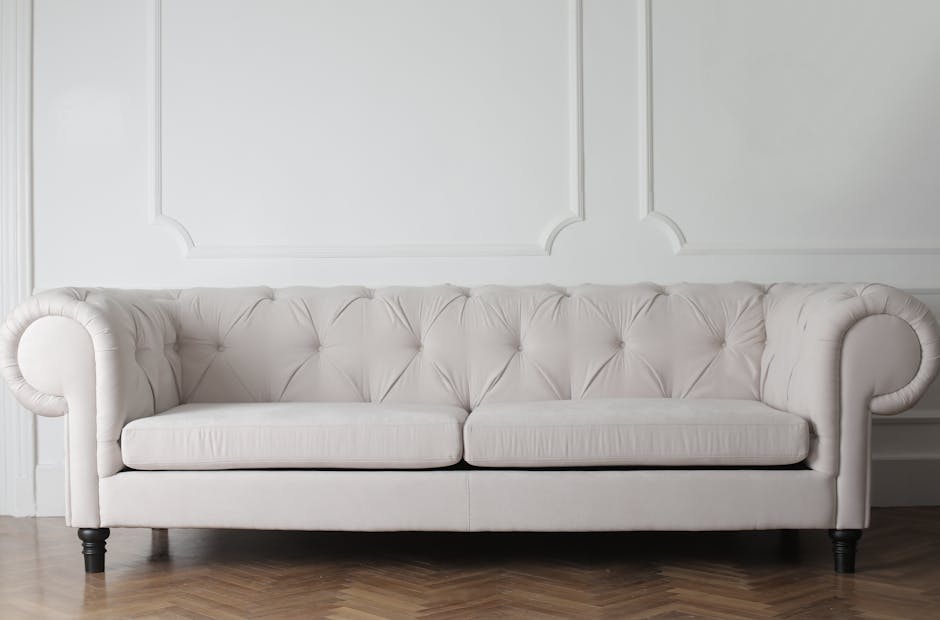
Here is a realistic example of how a Kentish Town upholstery clean can play out in practice. A family in NW5 had a three-seater fabric sofa in a living room that gets heavy daily use. The arms were darkened, the seat cushions had a dull grey cast, and there was a faint stale smell that became more obvious on damp days. The sofa was structurally fine, but it made the room feel older than it was.
Before: The visible issues were surface grime, drink marks on one cushion, and pet hair that seemed to weave itself into the fabric. From a distance, the sofa looked merely "a bit tired." Up close, it was clearly overdue for a proper clean.
Process: The cleaner vacuumed thoroughly, checked the fabric in a hidden area, and treated the seat and arm areas more carefully because those had the most build-up. A controlled cleaning method was used rather than heavy soaking, because the sofa had mixed wear and needed an even finish. The cleaner also paid attention to the edges around the cushions, which are often where grime likes to sit unnoticed.
After: The sofa looked brighter, the seat fabric had regained a cleaner tone, and the room felt less heavy. The drink marks were reduced significantly, though one older patch remained faintly visible in direct light. That is normal. The bigger change was the overall impression: the room looked cared for again. Less flat, less tired, more inviting. The family did not suddenly own a new sofa, but they did get something close enough for daily life to feel nicer.
That before-and-after shift is the real value. Not perfection. Improvement. Good, honest improvement.
If a room refresh is on your mind more broadly, the same approach can work alongside move in cleaning when you are settling into a new place, or airbnb cleaning if a furnished property needs to look consistently sharp between guests.
Practical Checklist
Use this checklist before booking or attempting any upholstery clean.
- Identify the furniture type and fabric as accurately as you can.
- Check whether the stain is fresh, old, greasy, water-based, or unknown.
- Take clear photos in good light before the clean.
- Note any prior products or home remedies used on the fabric.
- Ask how drying time is likely to be managed.
- Make sure there is enough room for access and airflow.
- Move fragile items and side tables out of the way first.
- Confirm whether the clean is for the sofa only or part of a wider refresh.
- Ask about insurance and safety information if that matters to you.
- Be realistic about very old marks or physical wear.
Expert summary: The best upholstery results come from a careful fabric check, the right cleaning method, and realistic expectations. If those three things are in place, the before-and-after difference can be genuinely impressive.
Conclusion
A strong Kentish Town upholstery cleaning before and after case study NW5 is useful because it shows the real shape of the work: careful inspection, measured cleaning, proper drying, and visible improvement that still respects the age and condition of the fabric. For many homes, that is enough to transform how a room feels. Softer, fresher, more finished. Sometimes that is all you need.
If your sofa, chair, or fabric suite has reached that "it's not awful, but it's not great" stage, cleaning is often the most practical next step. It can protect the furniture you already like, support a tidier home, and save you from making a rushed replacement decision. Nice and simple, really.
Get a free quote today and see how much you can save.
And if you are still weighing up what kind of service fits best, the safest next move is to start with the furniture itself. Look closely, ask good questions, and choose the option that gives the piece the best chance to last a bit longer. There is something quietly satisfying about that.
Frequently Asked Questions
How much difference does upholstery cleaning usually make?
It often makes a bigger visual difference than people expect, especially on armrests, seat cushions, and light-coloured fabrics. Deep-set or very old stains may not disappear completely, but the overall look usually improves a lot.
Is before-and-after upholstery cleaning worth it for a sofa that looks only slightly dirty?
Often, yes. Light grime and odour build-up can be easier to remove before the sofa looks obviously bad. Early cleaning can also help the fabric stay in better condition for longer.
Can all upholstery fabrics be cleaned the same way?
No. Different fabrics react differently to moisture, cleaning solutions, and agitation. That is why fabric testing and a tailored approach matter so much.
Will upholstery cleaning remove pet smells?
It can reduce them significantly if the smell is from surface dirt or residue. Strong, long-set odours may need more targeted treatment, and in some cases the result is improvement rather than total removal.
How long does upholstery take to dry?
Drying time depends on the fabric, room temperature, airflow, and how much moisture was used during cleaning. Light cleans dry faster; deep cleans can take longer. Good ventilation helps a lot.
Should I clean my sofa before or after a move?
Either can make sense depending on the situation. Before a move, it helps create a cleaner start. After a move, it can freshen a room once everything is settled. If you are leaving a property, a clean sofa may also fit alongside move-out work.
What if an old stain does not come out?
That happens. Some stains bond with the fibres or have already changed the fabric colour. A good clean can still improve the piece even if one faint mark remains visible.
Is it better to replace a sofa or clean it?
If the frame is sound and the upholstery is still in reasonable condition, cleaning is usually the more economical and sustainable option. Replacement makes more sense when the fabric is damaged or badly worn beyond recovery.
Can upholstery cleaning be done with other home cleaning services?
Yes. Many people pair it with carpet cleaning, domestic cleaning, or one-off cleaning so the whole room or property feels refreshed together.
What should I do before the cleaner arrives?
Move small items off the sofa area, vacuum loose debris if needed, and tell the cleaner about any stains, sprays, or previous treatments. A little preparation goes a long way.
Is upholstery cleaning suitable for rental properties in NW5?
Very often, yes. It can help rental furniture present well between occupiers or before inspection, especially when paired with end of tenancy cleaning or move out cleaning.
How do I know whether a before-and-after result is realistic?
Look at the fabric type, the age of the marks, and the general condition of the furniture. A realistic result is usually cleaner, fresher, and brighter rather than completely new-looking. That is still a strong win.